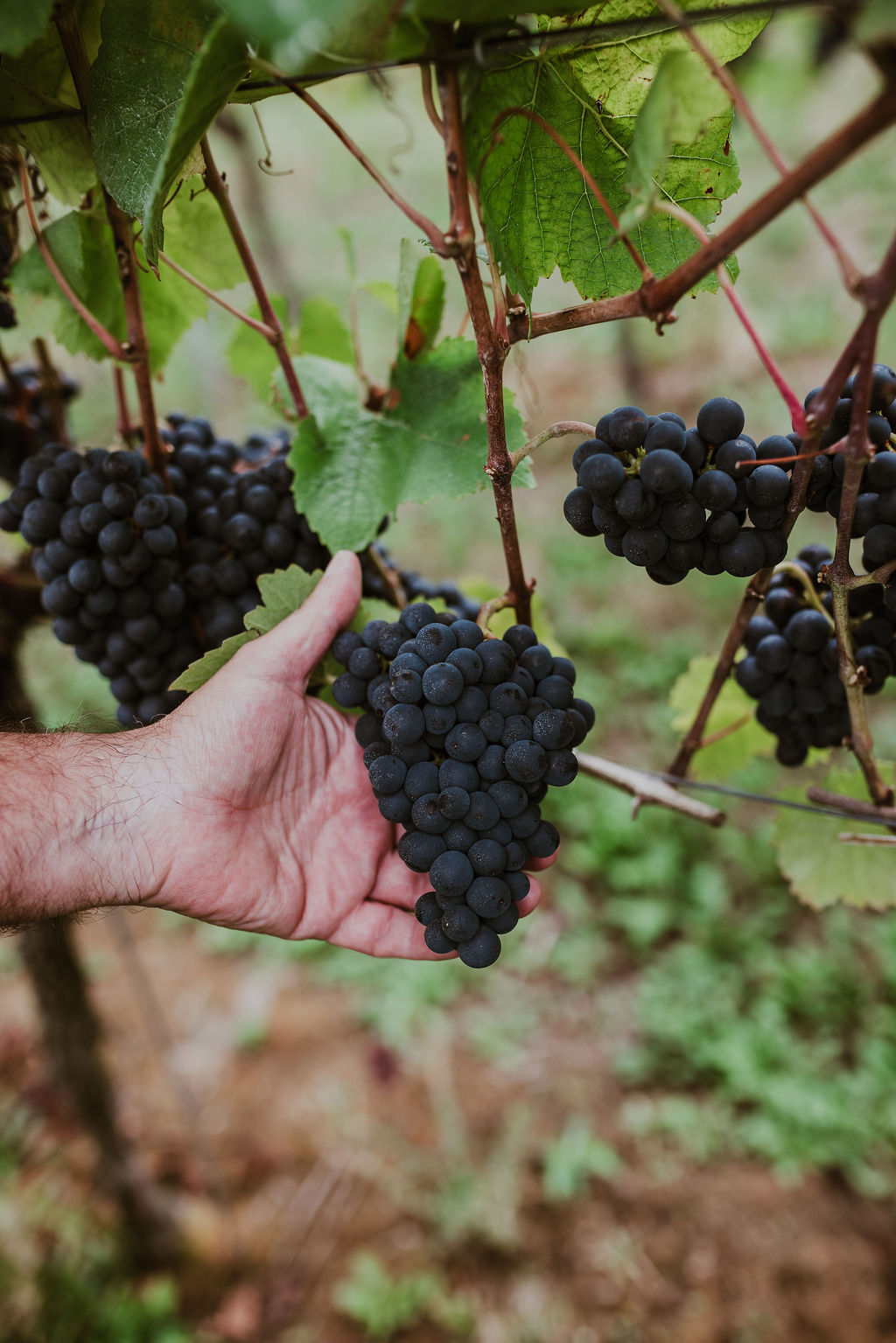
Harvest is one of the most important moments in the vineyard, and for sparkling wine producers, timing is especially critical. This year, following a prolonged period of exceptionally hot weather, we are expecting harvest to begin around mid-September, almost a month earlier than normal. Our vineyard is planted with the three classic sparkling wine varieties, Chardonnay, Pinot Noir and Pinot Meunier, and each responds slightly differently to the growing season. The warm, dry conditions have accelerated ripening across the vineyard, with sugars developing more quickly and acidity beginning to fall sooner than in a cooler year. For sparkling wine, that balance is crucial. We want the grapes to have developed flavour and maturity while still retaining the freshness and structure that are so important to the style of wine we produce. In a year like this, the picking window can be narrower than usual, so harvest decisions are based on what is happening in the vineyard rather than on the calendar. As we move closer to harvest, we will be tasting the fruit regularly and monitoring sugar and acidity levels to determine the optimum moment to pick each parcel of Chardonnay, Pinot Noir and Pinot Meunier. A warm growing season can bring beautifully expressive fruit and excellent flavour development, and this year has certainly moved at a remarkable pace. The grapes we pick will become the base wines for our traditional-method sparkling wines, before undergoing a second fermentation in bottle and spending time ageing on the lees. The decisions made over a few days at harvest therefore help shape wines that may not be released for several years. This unusually early season also reflects the wider changes taking place in English viticulture. England’s traditionally cool climate has been particularly well suited to sparkling wine, allowing Chardonnay, Pinot Noir and Pinot Meunier to ripen gradually while retaining natural acidity. As temperatures rise, ripening can happen more quickly and harvest dates can move forward significantly. Climate change, however, is not simply a story of warmer summers. It is also bringing greater unpredictability, from periods of intense heat and drought to heavy rainfall and spring frosts. For growers, this means adapting to each season as it unfolds, with vineyard management and harvest timing becoming increasingly responsive to changing conditions. If the weather continues on its current path, we could begin harvesting in mid-September, nearly four weeks earlier than usual. Until then, we will continue walking the vineyard, tasting the fruit and watching its development closely. When the balance is right, harvest will begin and the next stage of the vintage will start in the winery.
Harvest is one of the most important moments in the vineyard, and for sparkling wine producers, timing is especially critical. This year, following a prolonged period of exceptionally hot weather, we are expecting harvest to begin around mid-September, almost a month earlier than normal.